Corroborated by a second study. PC06 also appears in another study-reported protocol for the same search. A second publication is not necessarily a second research group. doi:10.3389/fneur.2026.1886740 ↗
Corroborated by a second study. LI04, LI10, LI11, LI15, TB05, GB34 also appear in another study-reported protocol for the same search. A second publication is not necessarily a second research group. doi:10.1136/spcare-2024-005174 ↗
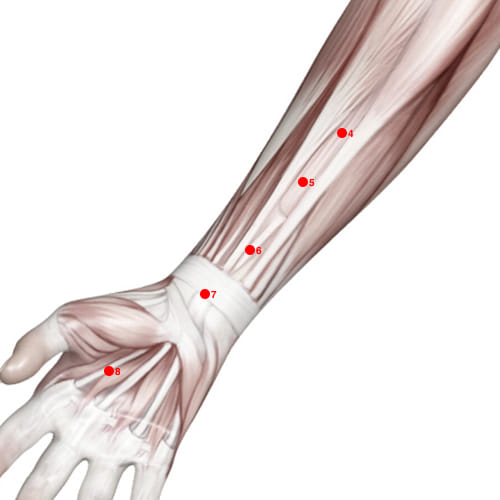
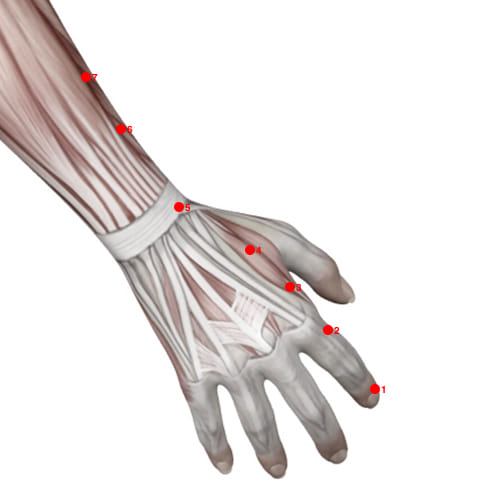
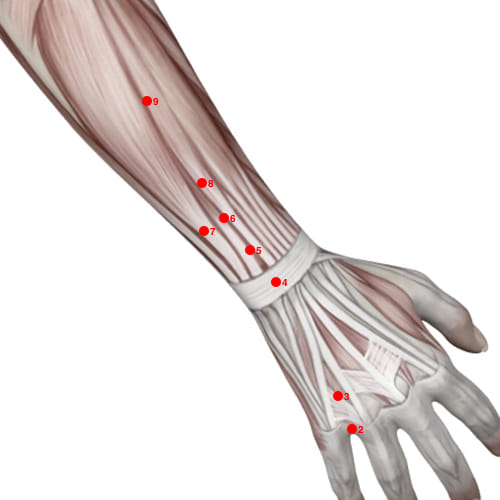
Location: On the dorsum of the hand between 1st & 2nd metacarpal bones approximately in the middle of the 2nd metacarpal bone on the radial side.
Cautions: Traditionally forbidden in pregnancy – these are the points used to bring on labour at term. Controlled data show no excess of preterm birth or stillbirth (Carr 2015), but in pregnancy needle only on a clear obstetric indication.
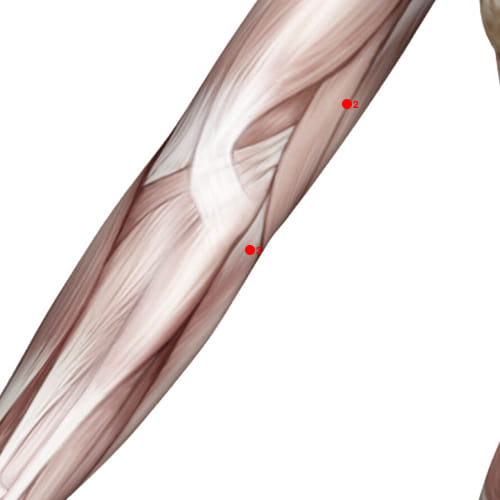
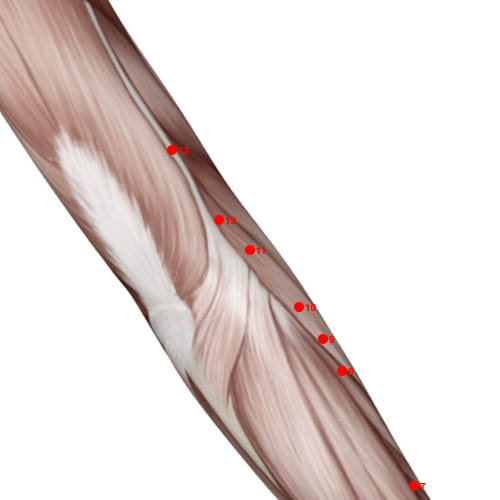
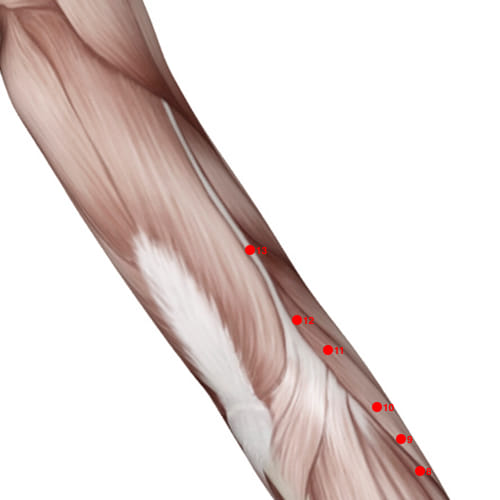
Location: When elbow is flexed point is in the depression the at the lateral end of the transverse cubital crease midway between LU05 and lateral epicondyle of the humerus.
Cautions: Monitor blood pressure and avoid strong stimulation where hypertension is uncontrolled or unstable; hypertensive crisis is a medical emergency. Avoid excessive stimulation in weak patients.
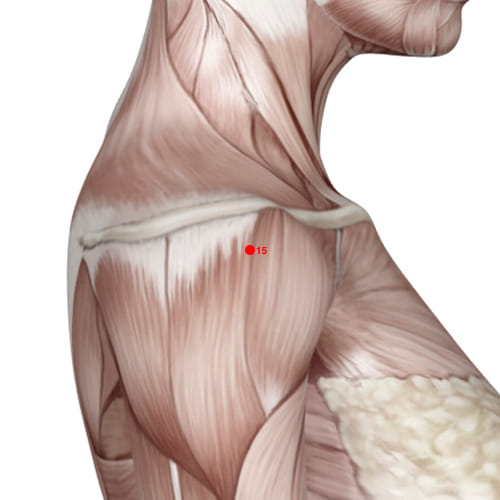
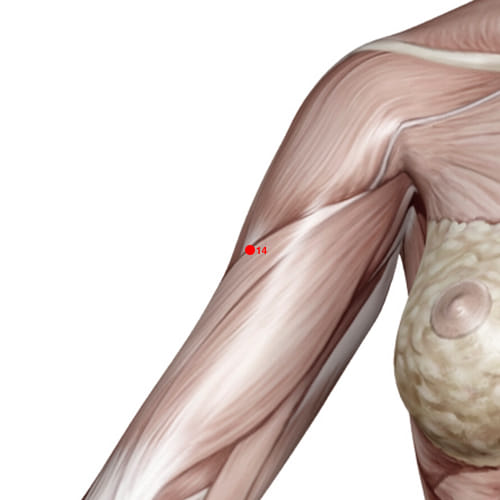
Location: Anteroinferior to the acromion on the upper portion of the deltoid muscle; when arm is in the full abduction the point is in the depression the appearing at the anterior border of the acromioclavicular joint.
Cautions: Avoid deep perpendicular needling due to risk of pneumothorax; caution in shoulder injuries.
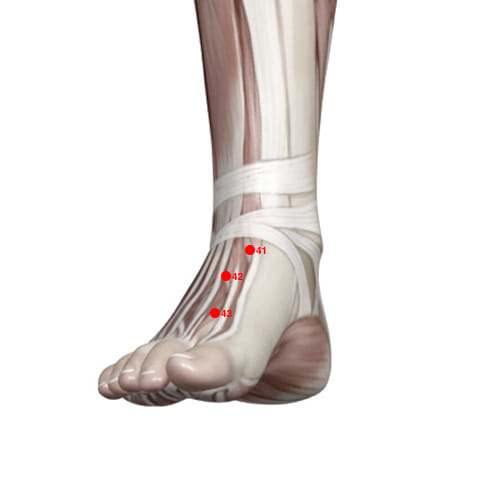
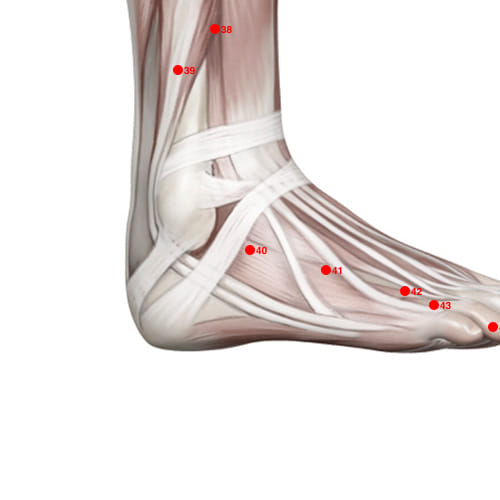
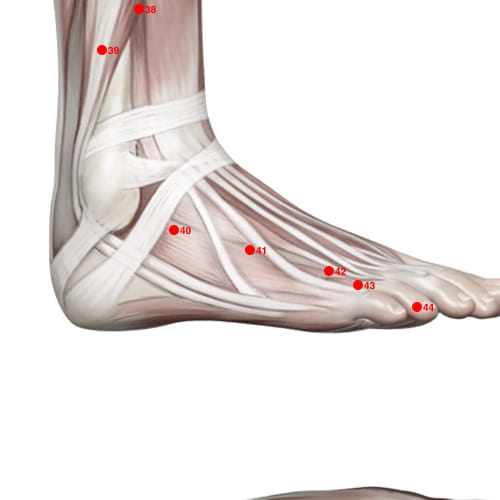
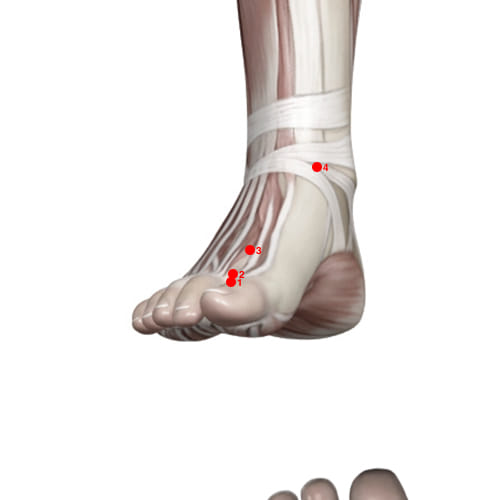
Location: On the dorsum of the foot at the midpoint of the transverse crease of the ankle joint in the depression the between tendons of the extensor digitorum longus and hallucis longus approximately at the level of the tip of the external malleolus.
Cautions: Rule out fracture, dislocation and joint instability before needling, and do not needle into an acutely swollen joint or a haemarthrosis.
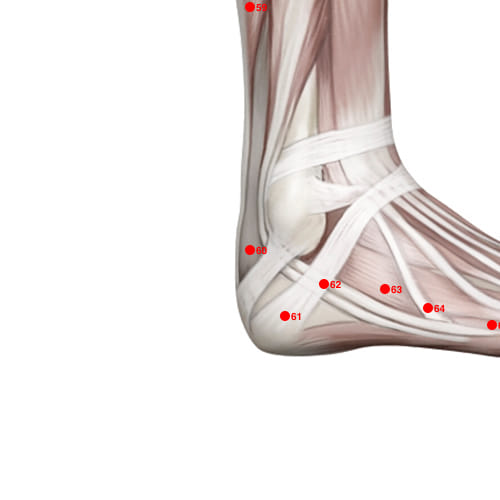
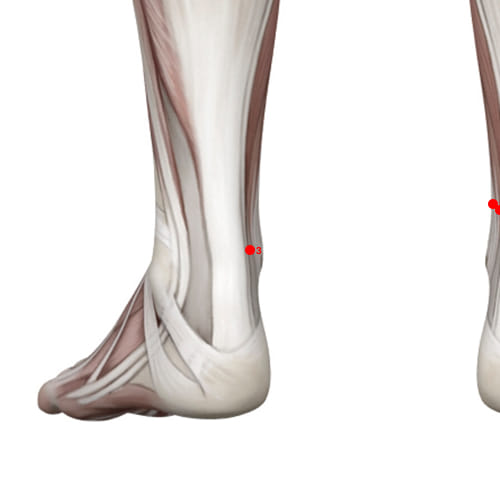
Location: In the depression the between tip of the external malleolus and achilles tendon.
Cautions: Traditionally forbidden in pregnancy – these are the points used to bring on labour at term. Controlled data show no excess of preterm birth or stillbirth (Carr 2015), but in pregnancy needle only on a clear obstetric indication.
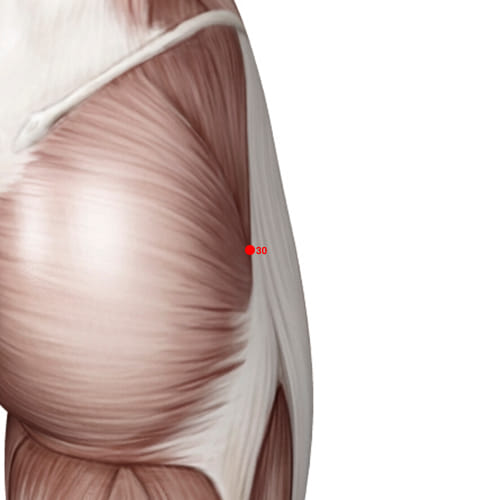
Location: At the junction of the lateral ⅓ and medial ⅔ of the distance between prominence of the greater trochanter and hiatus of the sacrum, GV02; when locating point put patient in the lateral recumbent position the with thigh flexed.
Corroborated by a second study. LI04, LI10, LI11, LI13, LI14, LI15, TB05 also appear in another study-reported protocol for the same search. A second publication is not necessarily a second research group. doi:10.3389/fneur.2026.1780918 ↗
Location: On the dorsum of the hand between 1st & 2nd metacarpal bones approximately in the middle of the 2nd metacarpal bone on the radial side.
Cautions: Traditionally forbidden in pregnancy – these are the points used to bring on labour at term. Controlled data show no excess of preterm birth or stillbirth (Carr 2015), but in pregnancy needle only on a clear obstetric indication.
Location: When elbow is flexed point is in the depression the at the lateral end of the transverse cubital crease midway between LU05 and lateral epicondyle of the humerus.
Cautions: Monitor blood pressure and avoid strong stimulation where hypertension is uncontrolled or unstable; hypertensive crisis is a medical emergency. Avoid excessive stimulation in weak patients.
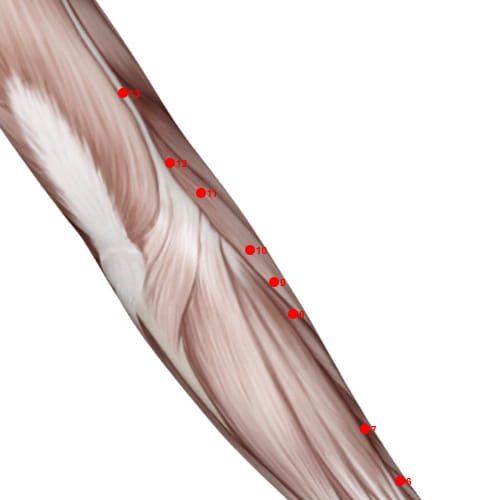
Location: On the lateral side of the upper arm on the line connecting LI11 and LI15, 7 thumb widths above the LI11 at the insertion of the deltoid muscle.
Cautions: Caution with depth to avoid nerve damage.
Location: Anteroinferior to the acromion on the upper portion of the deltoid muscle; when arm is in the full abduction the point is in the depression the appearing at the anterior border of the acromioclavicular joint.
Cautions: Avoid deep perpendicular needling due to risk of pneumothorax; caution in shoulder injuries.
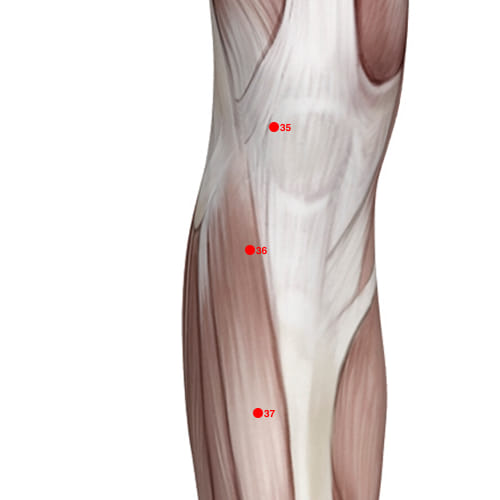
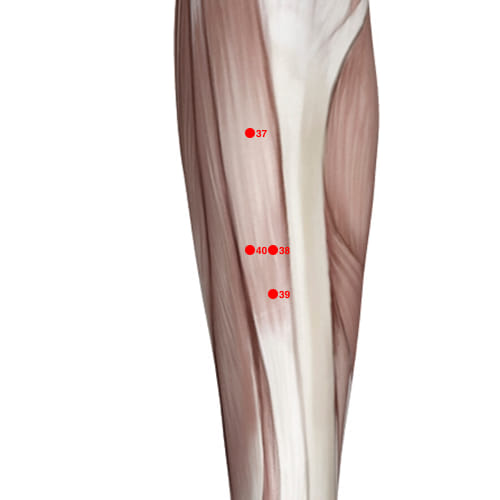
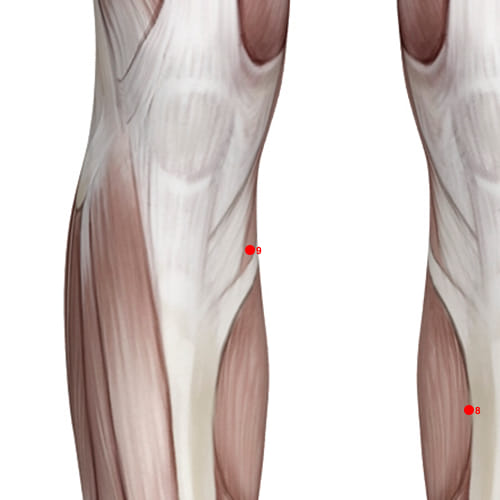
Location: 8 thumb widths superior to the tip of the external malleolus, lateral to the ST38 about 2 finger breadth (middle finger) lateral to the anterior border of the tibia.
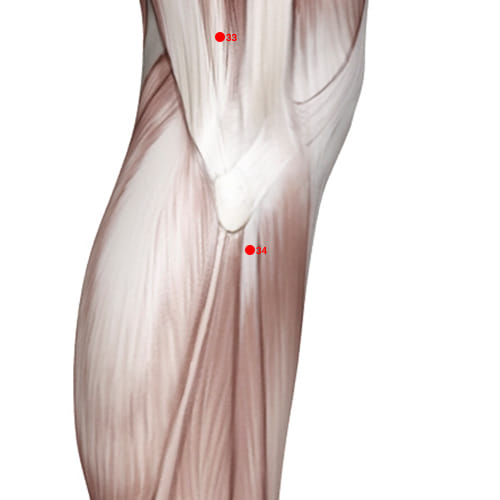
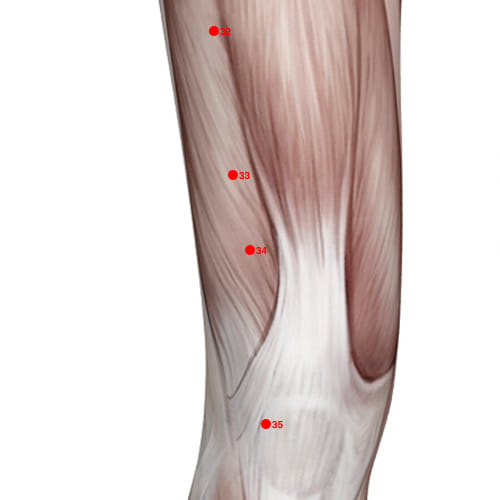
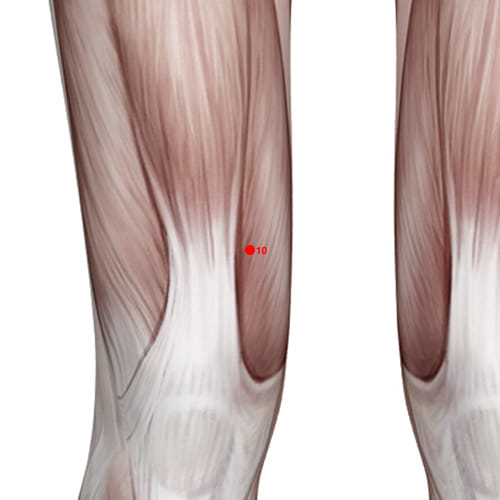
Location: When knee is flexed point is 2 thumb widths above the mediosuperior border of the patella on the bulge of the medial portion of the quadriceps femoris.
Cautions: Anticoagulant therapy or a coagulopathy raises the risk of haematoma at the needling site – apply prolonged pressure on withdrawal. The precaution governs technique; bleeding disorders remain a treatable indication.
Location: On the dorsum of the foot in the depression the distal to the junction of the 1st and 2nd metatarsal bones.
Cautions: Monitor blood pressure and avoid strong stimulation where hypertension is uncontrolled or unstable; hypertensive crisis is a medical emergency.
Corroborated by a second study. LI04, LI10, LI11, LI14, LI15, TB05 also appear in another study-reported protocol for the same search. A second publication is not necessarily a second research group. doi:10.1136/spcare-2024-005174 ↗
Location: On the dorsum of the hand between 1st & 2nd metacarpal bones approximately in the middle of the 2nd metacarpal bone on the radial side.
Cautions: Traditionally forbidden in pregnancy – these are the points used to bring on labour at term. Controlled data show no excess of preterm birth or stillbirth (Carr 2015), but in pregnancy needle only on a clear obstetric indication.
Location: When elbow is flexed point is in the depression the at the lateral end of the transverse cubital crease midway between LU05 and lateral epicondyle of the humerus.
Cautions: Monitor blood pressure and avoid strong stimulation where hypertension is uncontrolled or unstable; hypertensive crisis is a medical emergency. Avoid excessive stimulation in weak patients.
Location: On the lateral side of the upper arm on the line connecting LI11 and LI15, 7 thumb widths above the LI11 at the insertion of the deltoid muscle.
Cautions: Caution with depth to avoid nerve damage.
Location: Anteroinferior to the acromion on the upper portion of the deltoid muscle; when arm is in the full abduction the point is in the depression the appearing at the anterior border of the acromioclavicular joint.
Cautions: Avoid deep perpendicular needling due to risk of pneumothorax; caution in shoulder injuries.
Corroborated by a second study. LI04, LI11 also appear in another study-reported protocol for the same search. A second publication is not necessarily a second research group. doi:10.1155/2020/5094914 ↗
Location: On the dorsum of the hand between 1st & 2nd metacarpal bones approximately in the middle of the 2nd metacarpal bone on the radial side.
Cautions: Traditionally forbidden in pregnancy – these are the points used to bring on labour at term. Controlled data show no excess of preterm birth or stillbirth (Carr 2015), but in pregnancy needle only on a clear obstetric indication.
Location: When elbow is flexed point is in the depression the at the lateral end of the transverse cubital crease midway between LU05 and lateral epicondyle of the humerus.
Cautions: Monitor blood pressure and avoid strong stimulation where hypertension is uncontrolled or unstable; hypertensive crisis is a medical emergency. Avoid excessive stimulation in weak patients.
Corroborated by a second study. LI10, LI11, LI15, ST36, GB30, GB34 also appear in another study-reported protocol for the same search. A second publication is not necessarily a second research group. doi:10.1155/2020/5094914 ↗
Location: When elbow is flexed point is in the depression the at the lateral end of the transverse cubital crease midway between LU05 and lateral epicondyle of the humerus.
Cautions: Monitor blood pressure and avoid strong stimulation where hypertension is uncontrolled or unstable; hypertensive crisis is a medical emergency. Avoid excessive stimulation in weak patients.
Location: Anteroinferior to the acromion on the upper portion of the deltoid muscle; when arm is in the full abduction the point is in the depression the appearing at the anterior border of the acromioclavicular joint.
Cautions: Avoid deep perpendicular needling due to risk of pneumothorax; caution in shoulder injuries.
Location: At the junction of the lateral ⅓ and medial ⅔ of the distance between prominence of the greater trochanter and hiatus of the sacrum, GV02; when locating point put patient in the lateral recumbent position the with thigh flexed.
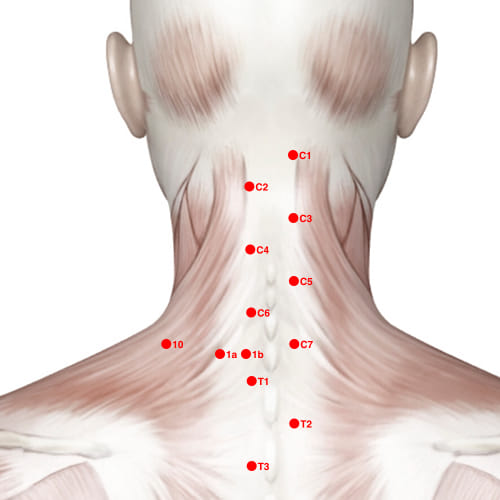
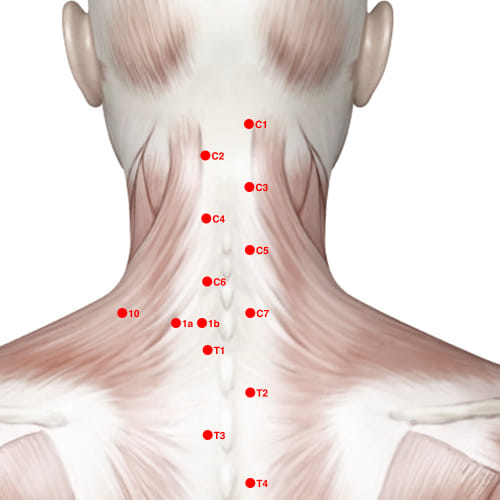
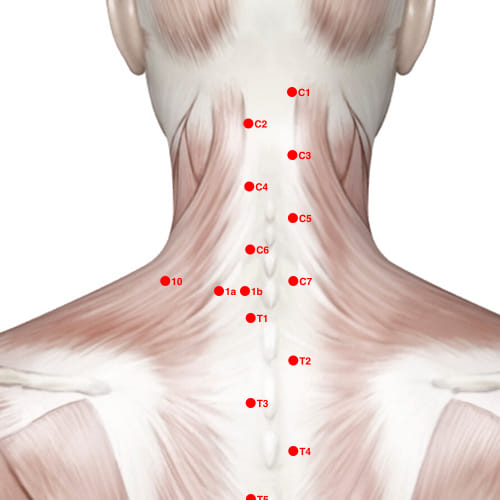
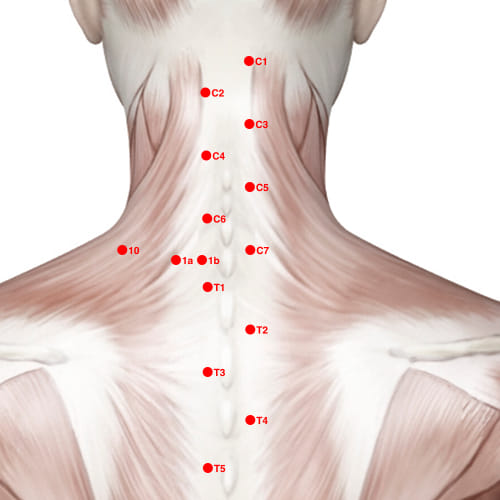
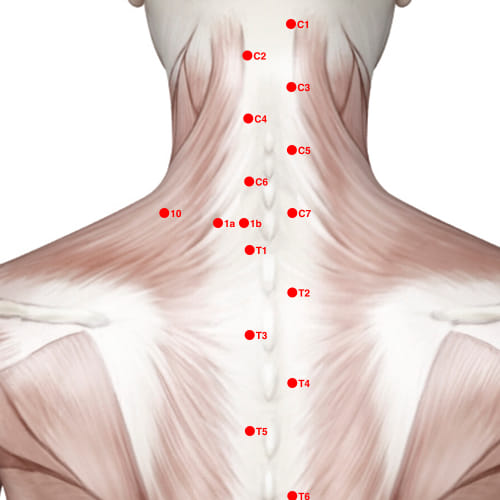
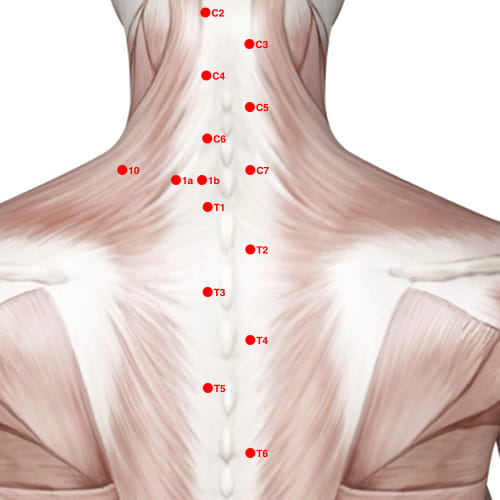
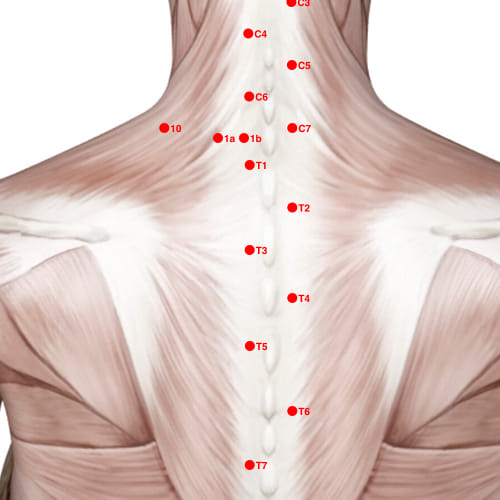
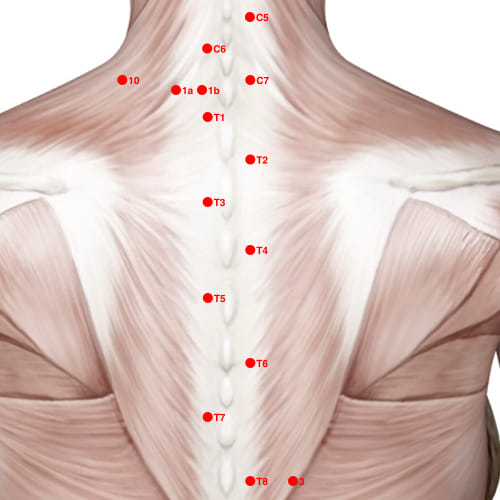
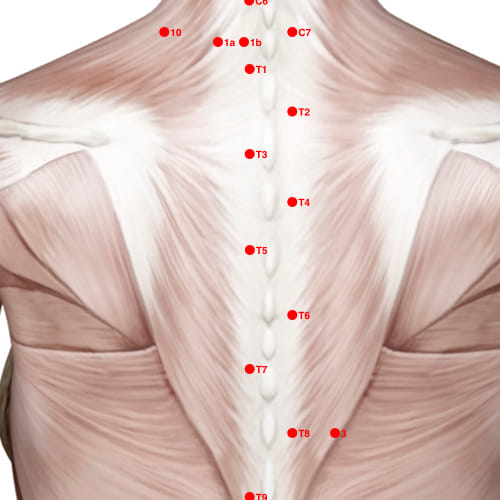
Location: 0.5 - 1 thumb width lateral to the depressions below the spinous processes of the twelve thoracic vertebrae & five lumbar vertebrae in the clinical practice the points located 0.5 - 1 thumb width lateral to the depressions below the spinous processes of the seven cervical vertebra are also used as additional huatuojiaji points.
Cautions: Avoid deep perpendicular needling; risk of pneumothorax.