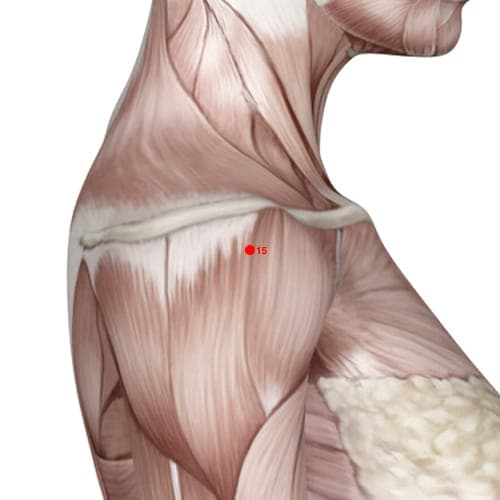
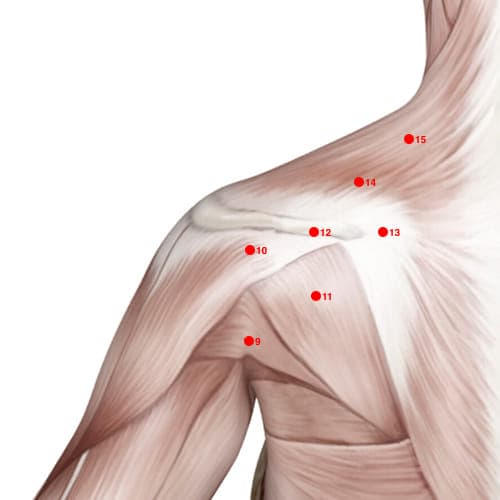
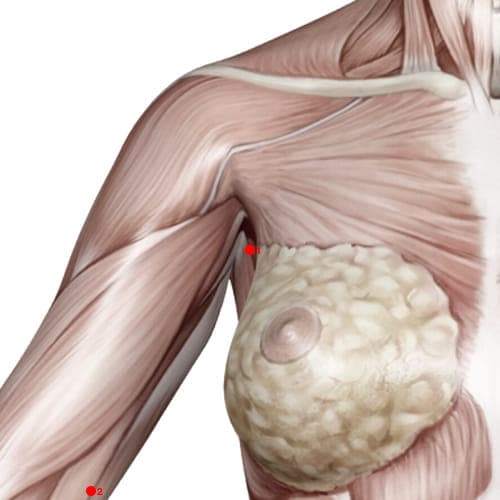
🎯 Location: Anteroinferior to the acromion on the upper portion of the deltoid muscle; when arm is in the full abduction the point is in the depression the appearing at the anterior border of the acromioclavicular joint.
⚠️ Cautions: Avoid deep perpendicular needling due to risk of pneumothorax; caution in shoulder injuries.
Corroborated by a second study. LI15 also appears in another study-reported protocol for the same search. A second publication is not necessarily a second research group. doi:10.27180/d.cnki.gjxzc.2023.000057 ↗
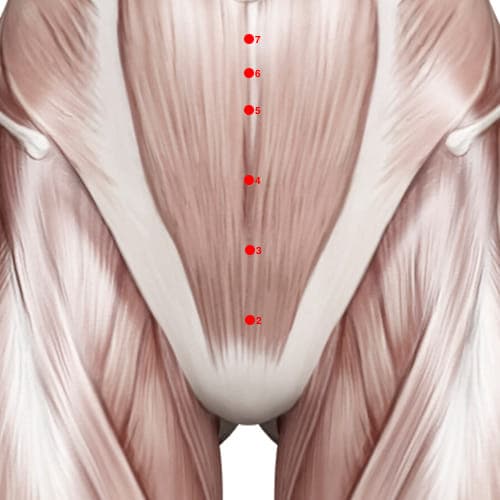
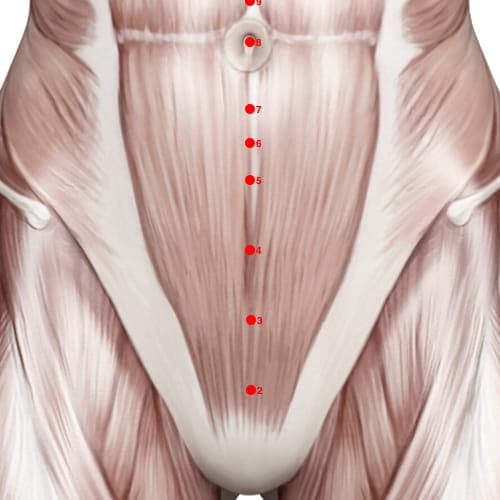
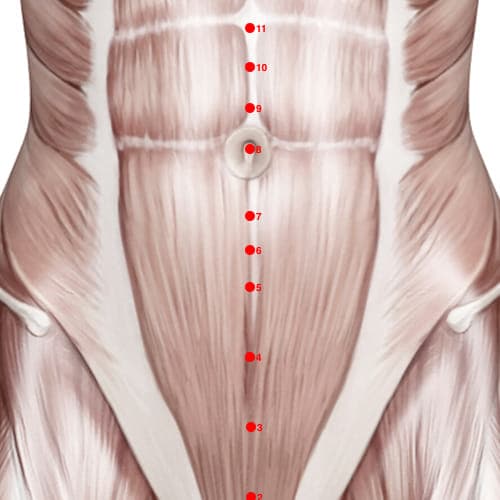
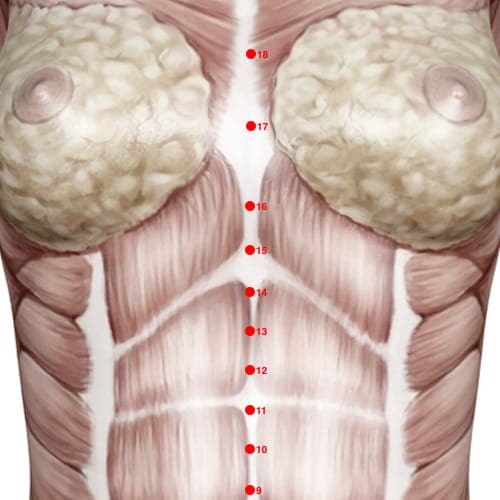
🎯 Location: On the anterior midline 4 thumb widths below umbilicus.
⚠️ Cautions: Avoid needling over the gravid uterus after the first trimester; where used in pregnancy, needle shallowly and only on a clear obstetric indication. Empty the bladder before needling.
🎯 Location: On the anterior midline 3 thumb widths below umbilicus.
⚠️ Cautions: Avoid needling over the gravid uterus after the first trimester; where used in pregnancy, needle shallowly and only on a clear obstetric indication. Bleeding in pregnancy requires obstetric assessment.
🎯 Location: On the anterior midline 1.5 thumb widths below umbilicus.
⚠️ Cautions: Avoid needling over the gravid uterus after the first trimester; where used in pregnancy, needle shallowly and only on a clear obstetric indication.
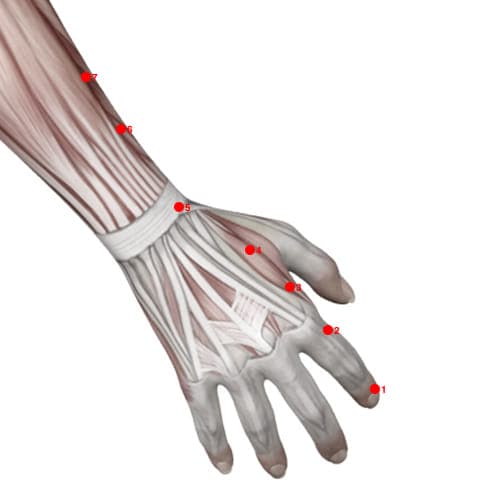
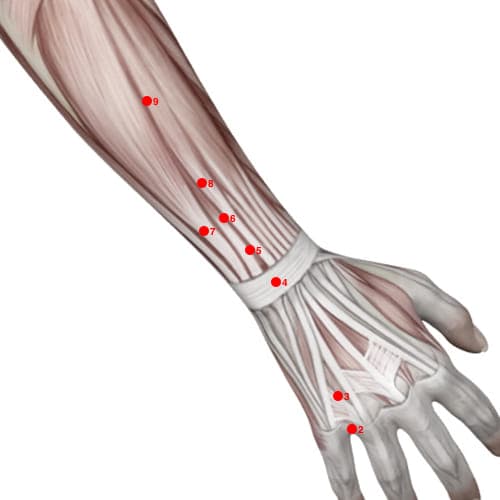
🎯 Location: On the dorsum of the hand between 1st & 2nd metacarpal bones approximately in the middle of the 2nd metacarpal bone on the radial side.
⚠️ Cautions: Traditionally forbidden in pregnancy – these are the points used to bring on labour at term. Controlled data show no excess of preterm birth or stillbirth (Carr 2015), but in pregnancy needle only on a clear obstetric indication.
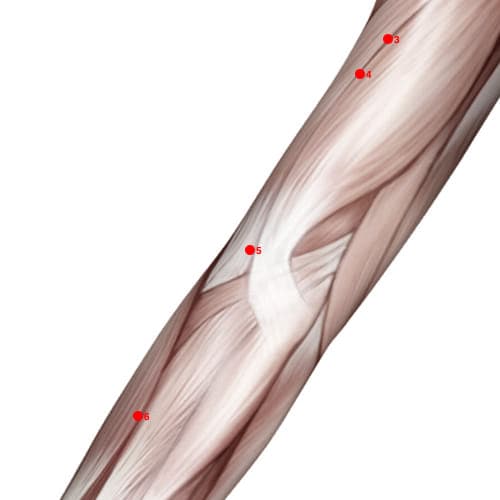
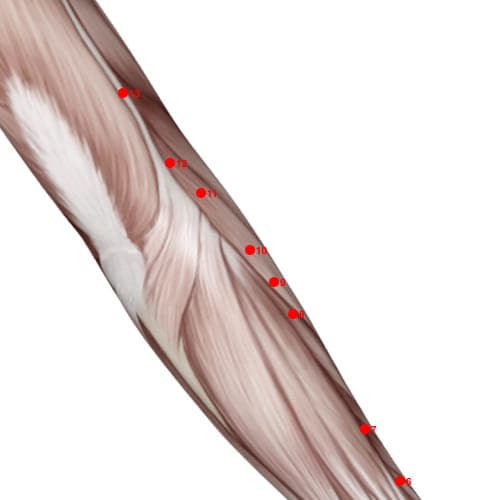
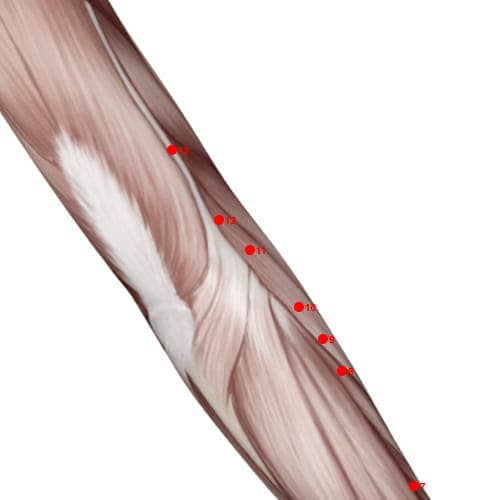
🎯 Location: When elbow is flexed point is in the depression the at the lateral end of the transverse cubital crease midway between LU05 and lateral epicondyle of the humerus.
⚠️ Cautions: Monitor blood pressure and avoid strong stimulation where hypertension is uncontrolled or unstable; hypertensive crisis is a medical emergency. Avoid excessive stimulation in weak patients.
🎯 Location: Anteroinferior to the acromion on the upper portion of the deltoid muscle; when arm is in the full abduction the point is in the depression the appearing at the anterior border of the acromioclavicular joint.
⚠️ Cautions: Avoid deep perpendicular needling due to risk of pneumothorax; caution in shoulder injuries.
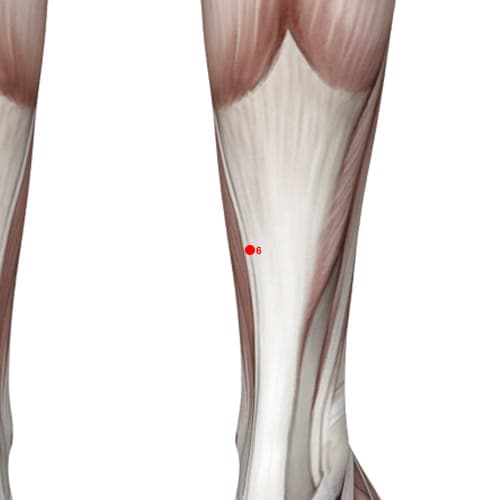
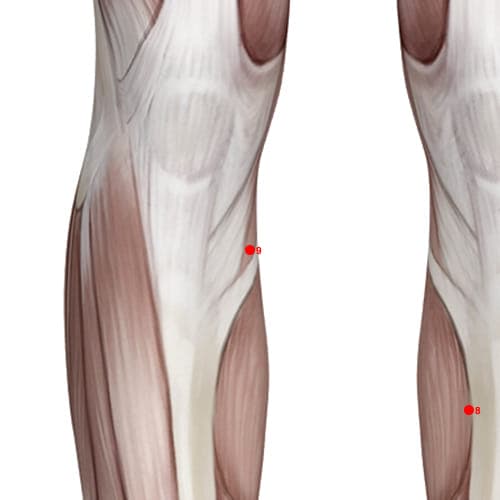
🎯 Location: 3 thumb widths directly above the tip of the medial malleolus posterior to the medial border of the tibia.
⚠️ Cautions: Traditionally forbidden in pregnancy – these are the points used to bring on labour at term. Controlled data show no excess of preterm birth or stillbirth (Carr 2015), but in pregnancy needle only on a clear obstetric indication.
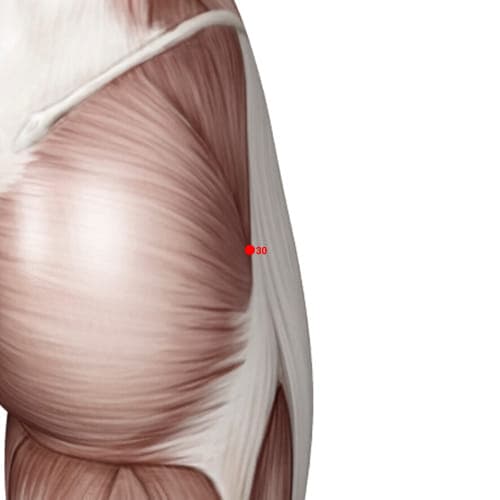
🎯 Location: At the junction of the lateral ⅓ and medial ⅔ of the distance between prominence of the greater trochanter and hiatus of the sacrum, GV02; when locating point put patient in the lateral recumbent position the with thigh flexed.
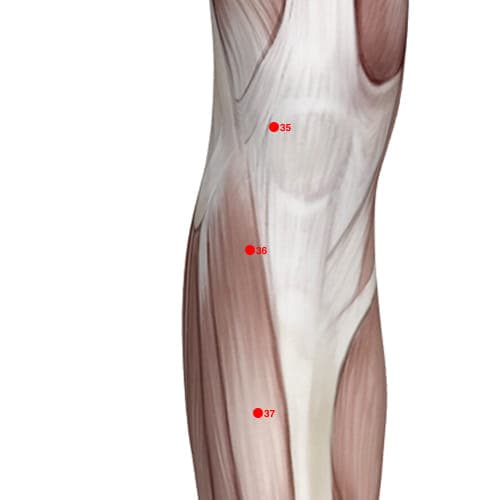
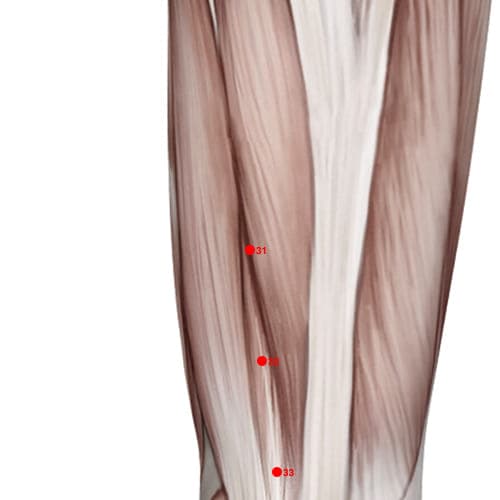
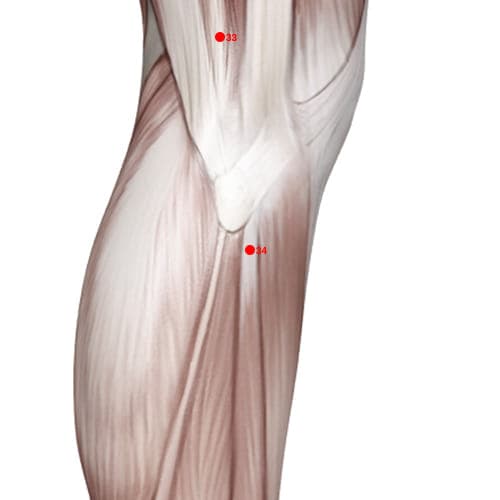
🎯 Location: On the midline of the lateral aspect of the thigh, 7 thumb widths above the transverse popliteal crease; when patient is standing erect with hands close to the sides, point is where tip of the middle finger touches.
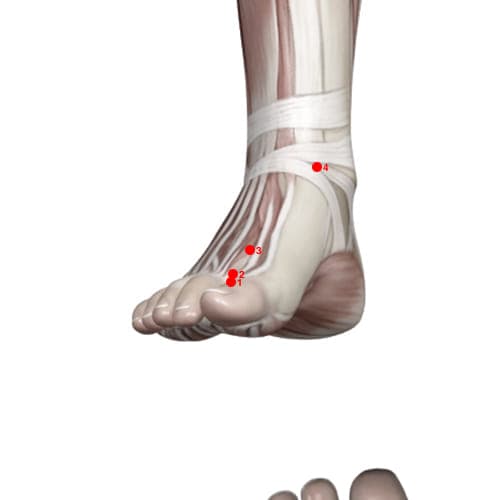
🎯 Location: On the dorsum of the foot in the depression the distal to the junction of the 1st and 2nd metatarsal bones.
⚠️ Cautions: Monitor blood pressure and avoid strong stimulation where hypertension is uncontrolled or unstable; hypertensive crisis is a medical emergency.
Corroborated by a second study. LI15 also appears in another study-reported protocol for the same search. A second publication is not necessarily a second research group. doi:10.1093/ecam/neh102 ↗
🎯 Location: On the dorsum of the hand between 1st & 2nd metacarpal bones approximately in the middle of the 2nd metacarpal bone on the radial side.
⚠️ Cautions: Traditionally forbidden in pregnancy – these are the points used to bring on labour at term. Controlled data show no excess of preterm birth or stillbirth (Carr 2015), but in pregnancy needle only on a clear obstetric indication.
🎯 Location: When elbow is flexed point is in the depression the at the lateral end of the transverse cubital crease midway between LU05 and lateral epicondyle of the humerus.
⚠️ Cautions: Monitor blood pressure and avoid strong stimulation where hypertension is uncontrolled or unstable; hypertensive crisis is a medical emergency. Avoid excessive stimulation in weak patients.
🎯 Location: Anteroinferior to the acromion on the upper portion of the deltoid muscle; when arm is in the full abduction the point is in the depression the appearing at the anterior border of the acromioclavicular joint.
⚠️ Cautions: Avoid deep perpendicular needling due to risk of pneumothorax; caution in shoulder injuries.
🎯 Location: 3 thumb widths directly above the tip of the medial malleolus posterior to the medial border of the tibia.
⚠️ Cautions: Traditionally forbidden in pregnancy – these are the points used to bring on labour at term. Controlled data show no excess of preterm birth or stillbirth (Carr 2015), but in pregnancy needle only on a clear obstetric indication.
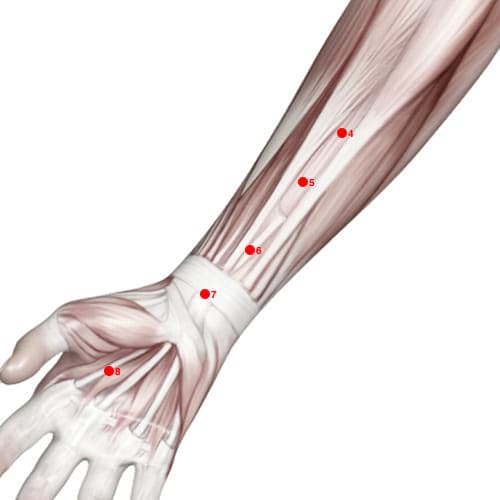
🎯 Location: 2 thumb widths proximal to the dorsal crease of the wrist on the line connecting TB04 and tip of the olecranon the between radius and ulna.
🎯 Location: At the junction of the lateral ⅓ and medial ⅔ of the distance between prominence of the greater trochanter and hiatus of the sacrum, GV02; when locating point put patient in the lateral recumbent position the with thigh flexed.
🎯 Location: On the midline of the lateral aspect of the thigh, 7 thumb widths above the transverse popliteal crease; when patient is standing erect with hands close to the sides, point is where tip of the middle finger touches.
🎯 Location: On the dorsum of the foot in the depression the distal to the junction of the 1st and 2nd metatarsal bones.
⚠️ Cautions: Monitor blood pressure and avoid strong stimulation where hypertension is uncontrolled or unstable; hypertensive crisis is a medical emergency.
Corroborated by a second study. LI15 also appears in another study-reported protocol for the same search. A second publication is not necessarily a second research group. doi:10.1093/ecam/neh102 ↗