No study in this index covers Polycystic Ovary Syndrome
Every protocol below comes from a clinical text or a website. Nothing here has a published trial behind it, so no two independent sources have been shown to agree. How often that happens
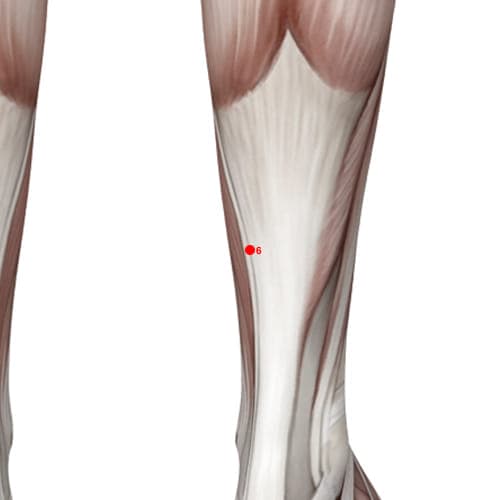
🎯 Location: 3 thumb widths directly above the tip of the medial malleolus posterior to the medial border of the tibia.
⚠️ Cautions: Traditionally forbidden in pregnancy – these are the points used to bring on labour at term. Controlled data show no excess of preterm birth or stillbirth (Carr 2015), but in pregnancy needle only on a clear obstetric indication.
Point selection recorded in a clinical text or case report.
Yu J et al.. [Changes in serum FSH, LH and ovarian follicular growth during electroacupuncture for induction of ovulation].. Zhong xi yi jie he za zhi = Chinese journal of modern developments in traditional medicine, 1989
Hot Spots™ Press Needles
Sterile 1.5mm press needles on 3M backing tape · 100 per box
$19.99
per box · choose the quantity at checkout
AcuiQ Self-Treatment Guide
Acupressure you can do at home, every protocol traced to a trial. – $12.99, free updates for life
Using Acupoints for Polycystic Ovary Syndrome
Self-Treatment Guidelines
Locate acupoints using anatomical landmarks
Apply firm, steady pressure for 1-3 minutes
Treat 2-3 times daily for best results
When to Seek Professional Help
Severe or persistent Polycystic Ovary Syndrome
Symptoms worsen despite treatment
If you have underlying health conditions
Disclaimer: The acupoint information provided is for educational purposes only.